The Future of E-Commerce: Leveraging AI for Enhanced Visibility
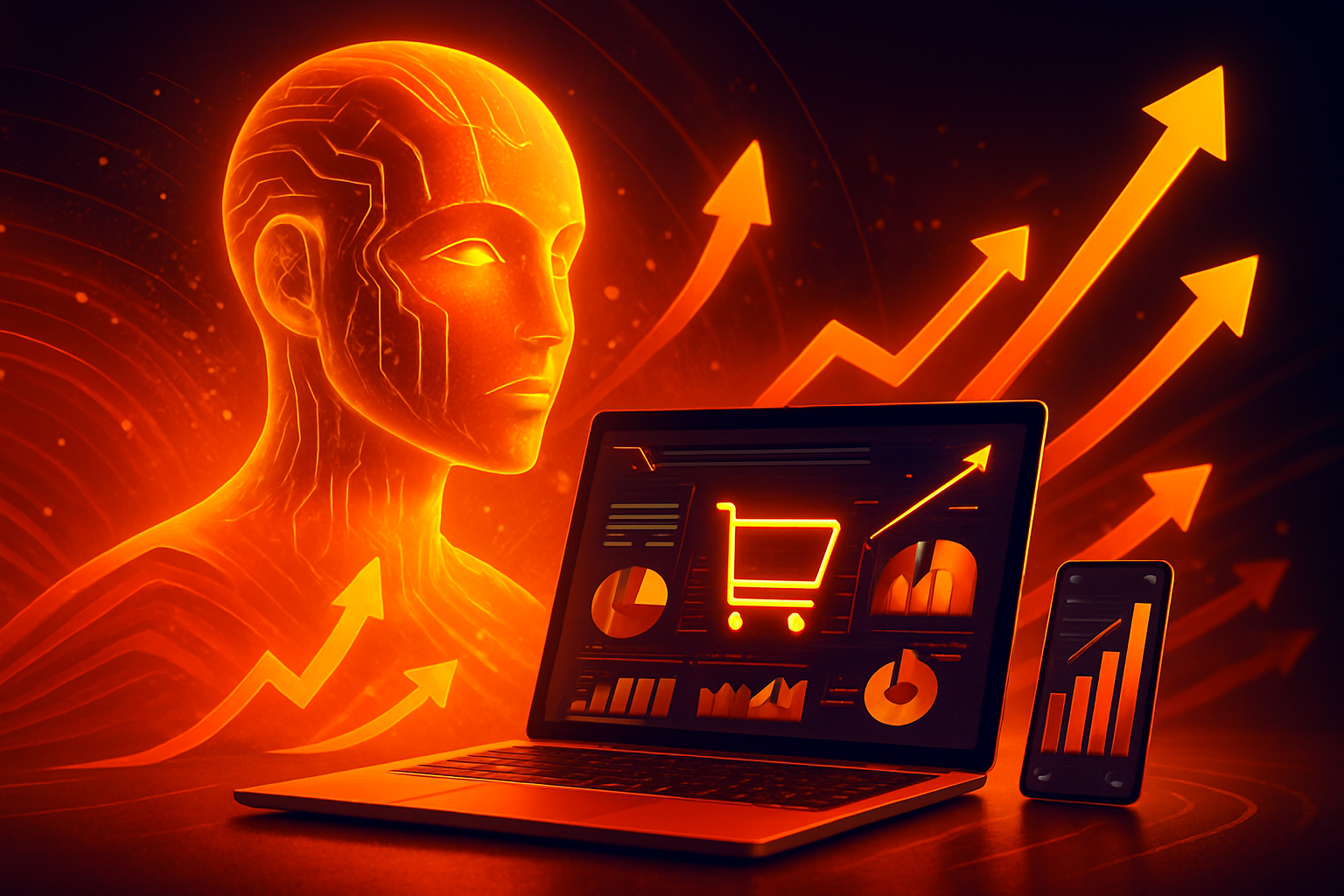
The world of e-commerce is evolving at an unprecedented pace, driven by advancements in technology and shifting consumer behaviors. At the forefront of this evolution is artificial intelligence (AI), which is set to revolutionize the way businesses approach marketing strategies, enhancing visibility and engagement like never before. This article explores the concept of AI Commerce Visibility and its applications in the e-commerce landscape, providing insights into how businesses can leverage these technologies for a competitive edge.
Understanding AI in E-Commerce
Artificial intelligence in e-commerce refers to the implementation of machine learning algorithms, data analytics, and automation technologies to improve business operations and customer experiences. AI can analyze vast amounts of data to identify patterns, preferences, and trends, enabling businesses to tailor their offerings to meet consumer demands efficiently.
Key Features of AI Commerce Visibility
AI Commerce Visibility is a framework that enhances the visibility of products and brands in the e-commerce ecosystem. Here are some key features:
- Predictive Analytics: AI systems can analyze historical data to forecast future trends, helping businesses make informed decisions about inventory and marketing.
- Personalized Marketing: AI enables the creation of personalized marketing strategies based on individual consumer behavior, improving engagement and conversion rates.
- Dynamic Pricing: AI algorithms can adjust pricing in real-time based on market conditions, competitor pricing, and consumer demand, maximizing profitability.
- Chatbots and Virtual Assistants: AI-driven chatbots enhance customer service by providing immediate assistance, facilitating smoother shopping experiences.
- Visual Search: Utilizing image recognition technology, AI allows consumers to search for products using images rather than text, improving the user experience.
Practical Applications of AI in E-Commerce Marketing Strategies
Integrating AI into e-commerce marketing strategies can yield significant benefits, enhancing visibility and driving sales. Here are some practical applications:
1. Enhanced Customer Insights
AI tools can gather and analyze data from various sources, providing insights into customer preferences and behaviors. This information can be used to develop targeted marketing campaigns that resonate with specific audience segments. For instance, retailers can utilize AI-driven analytics to understand shopping patterns and preferences, allowing them to tailor promotions and product recommendations.
2. Automated Marketing Campaigns
AI can automate various aspects of marketing campaigns, from email segmentation to social media scheduling. Businesses can employ AI algorithms to determine the best times to send promotional emails based on user engagement data, ensuring that messages reach consumers when they are most likely to engage. This automation not only saves time but also enhances the effectiveness of marketing initiatives.
3. Optimized Product Recommendations
Personalized product recommendations are vital in e-commerce. By analyzing user behavior, AI can suggest products that align with individual preferences, increasing the likelihood of conversions. For example, platforms like Amazon leverage AI to offer personalized recommendations based on past purchases and browsing history.
4. Improved Customer Experience
AI-driven chatbots can provide immediate responses to customer inquiries, addressing issues in real-time and enhancing the shopping experience. These chatbots can handle a wide range of queries, from order tracking to product information, creating a more efficient interaction for customers. By providing timely assistance, businesses can improve customer satisfaction and loyalty.
5. Inventory Management
AI can optimize inventory management by predicting demand trends and suggesting optimal stock levels. This ensures that businesses have the right products available when consumers want them, minimizing the risk of stockouts or overstock situations. By leveraging AI for inventory management, companies can reduce operational costs and improve fulfillment rates.
Case Studies of Successful AI Integration in E-Commerce
Organizations that have effectively integrated AI into their e-commerce strategies serve as benchmarks for others in the industry. Here are a few noteworthy case studies:
Case Study 1: Walmart
Walmart has implemented AI across various aspects of its e-commerce operations. The retail giant utilizes machine learning algorithms to analyze customer data, enabling personalized shopping experiences. Walmart's AI systems also optimize pricing strategies, adjusting prices in real-time based on market conditions and consumer demand. As a result, the company has seen significant enhancements in customer satisfaction and sales growth.
Case Study 2: Stitch Fix
Stitch Fix, an online personal styling service, leverages AI to analyze customer data and preferences. The company uses algorithms to recommend clothing items tailored to individual tastes, leading to higher customer engagement and satisfaction. By combining human stylists with AI analytics, Stitch Fix has successfully created a unique shopping experience that drives repeat business and fosters customer loyalty.
Case Study 3: H&M
H&M utilizes AI to streamline its supply chain and improve inventory management. By analyzing sales data, the company can predict trends and adjust its inventory accordingly, ensuring that popular items are always in stock. This approach not only reduces operational costs but also enhances the overall shopping experience for customers, as they can find the products they want when they want them.
Challenges of Implementing AI in E-Commerce
While the advantages of AI in e-commerce are clear, businesses also face challenges in implementation. Some of the potential hurdles include:
- Data Privacy Concerns: Collecting and analyzing consumer data raises privacy issues. Businesses must ensure compliance with regulations and maintain transparency with customers regarding data usage.
- Integration with Existing Systems: Integrating AI solutions with existing e-commerce platforms can be complex. Companies must invest in the right technologies and training to ensure seamless integration.
- Continuous Learning: AI algorithms require ongoing training and refinement to remain effective. Businesses must commit to continuous learning to adapt to changing market dynamics and consumer behaviors.
The Future of AI in E-Commerce
As technology continues to advance, the role of AI in e-commerce will only grow. Future developments may include:
- Enhanced Predictive Capabilities: As AI technology matures, predictive analytics will become even more accurate, enabling businesses to anticipate customer needs proactively.
- Greater Focus on Personalization: The demand for personalized experiences will drive further innovations in AI, allowing businesses to create hyper-targeted marketing strategies.
- Integration with Augmented Reality: The combination of AI and augmented reality (AR) could revolutionize the online shopping experience, enabling consumers to visualize products in their environments before making a purchase.
Conclusion
The integration of AI in e-commerce is transforming marketing strategies, enhancing visibility, and improving customer experiences. By understanding and leveraging AI Commerce Visibility, businesses can stay ahead of the competition and meet the evolving demands of consumers. As we look to the future, embracing AI technologies will be essential for e-commerce businesses seeking sustained growth and success in an increasingly digital world.