How to Use AI to Enhance Your Music Creation Process
In the fast-evolving world of music, aspiring musicians and seasoned producers alike are turning to artificial intelligence to streamline their creative processes. With tools like AI music generators, the barriers to creating high-quality music are lower than ever. Whether you're looking to compose an original piece or generate royalty-free songs for your projects, AI is here to help you make that happen.
Understanding AI in Music Creation
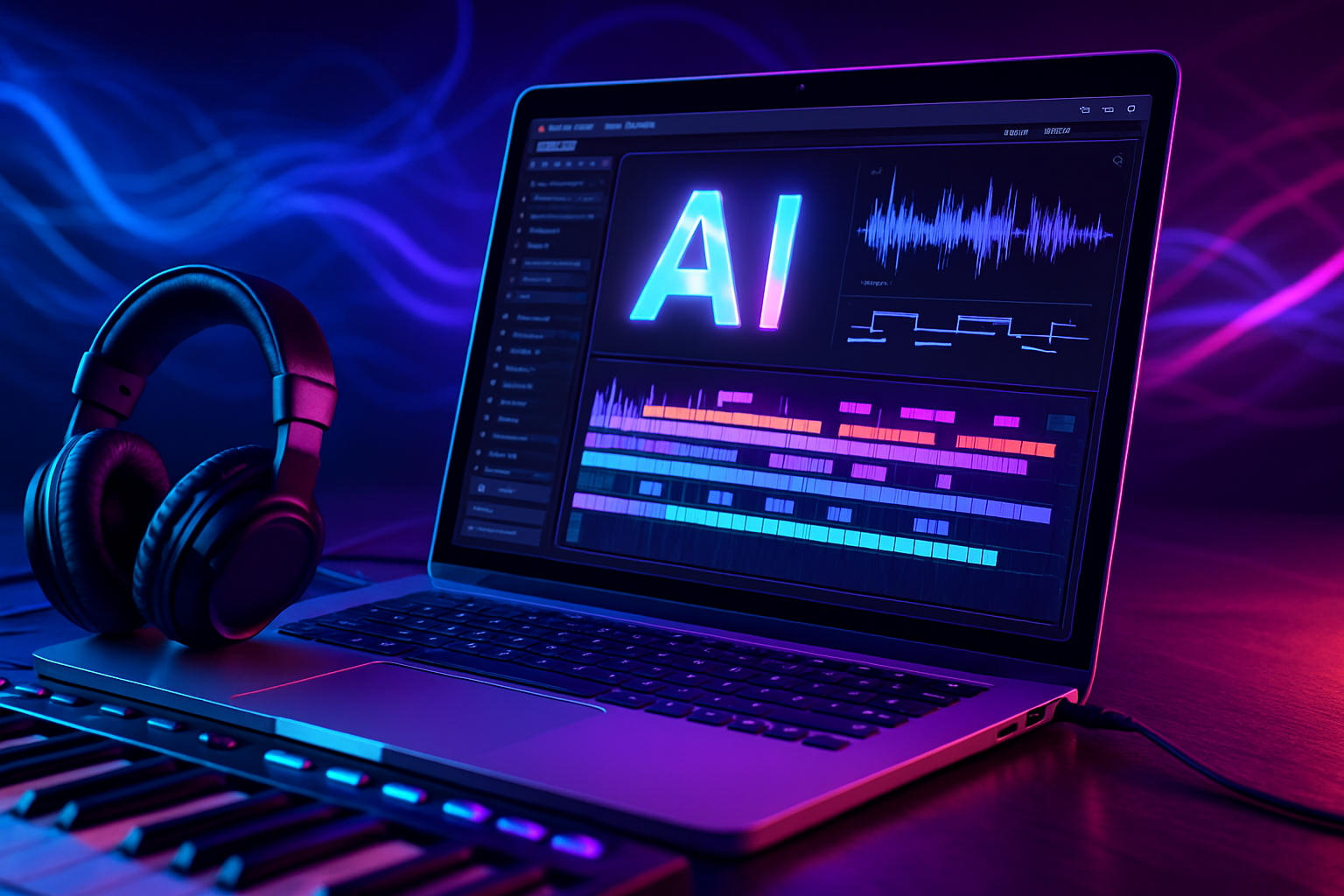
AI technology has rapidly advanced, and its applications in music are nothing short of revolutionary. An AI music generator can analyze existing music patterns, styles, and genres to create new compositions that mimic the characteristics of various music styles. This technology allows users to focus more on the creative aspects of music production rather than getting bogged down by technicalities.
The Benefits of Using AI in Music
- Improved efficiency: AI tools can help you generate ideas quickly, saving you valuable time during the creative process.
- Enhanced creativity: By offering unique suggestions and compositions, AI can inspire you to think outside the box and explore new musical directions.
- Accessibility: AI music generators are often user-friendly and require no extensive musical training, making them accessible to anyone with a passion for music.
- Customization: Many AI tools allow you to tweak outputs to suit your specific needs, ensuring your music retains a personal touch.
Popular AI Music Tools to Consider
There are numerous AI-driven tools available to enhance your music creation. Here are a few notable ones:
- AI Song Maker: This tool allows you to create music effortlessly by selecting genres, moods, and instruments. It’s designed for both beginners and professionals, making music creation accessible to everyone. Check it out here.
- Amper Music: Amper is an AI music composition tool that helps you create and customize music tracks for videos, games, and more. It’s particularly useful for content creators in need of royalty-free songs.
- Aiva: Aiva is an AI composer that specializes in creating emotional orchestral music. This tool is perfect for film scores and other projects that require a cinematic touch.
- Jukedeck (now part of TikTok): This platform used AI to create custom music tracks tailored to your project needs. It's ideal for those looking for quick background music.
Tips for Using AI in Your Music Creation Process
To make the most of AI tools in your music production, follow these tips:
- Experiment with different genres: Many AI music generators allow you to create tracks in a variety of styles. Don’t hesitate to explore outside your comfort zone.
- Use AI as a collaborator: Instead of strictly relying on AI, treat it as a musical partner. Let it inspire you, but add your personal touch to the final product.
- Take advantage of customization options: Most AI tools have features that allow you to adjust elements like tempo, key, and instrumentation. Use these to make the generated music truly yours.
- Analyze the output: Understand how the AI creates music. Study the patterns, chord progressions, and melodies to enhance your own musical knowledge and skills.
- Stay updated: AI technology is constantly evolving. Keep an eye on new tools and features that can further enhance your music creation process.
Successful Examples of AI-Generated Music
AI-generated music has already left its mark on the industry. Notable tracks created with the assistance of AI include:
- “Daddy’s Car” by OpenAI: This song was composed by an AI trained on The Beatles' music, showcasing how AI can mimic established styles while creating something new.
- “The New York Times” by Aiva: This orchestral piece demonstrates Aiva's ability to create complex compositions that evoke emotion, perfect for cinematic projects.
- Various tracks from Amper Music: Many content creators have used Amper to produce background music for videos, resulting in numerous royalty-free songs that are both catchy and unique.
The Future of AI in Music Creation
As we move deeper into 2026, the integration of AI in music creation is expected to become even more sophisticated. We could see AI tools that not only assist in composition but also collaborate in real-time with musicians during live performances. The potential for AI to understand and adapt to the emotional context of music is also on the horizon, promising to create even more engaging and personalized musical experiences.
Conclusion
Artificial intelligence is transforming the music creation landscape, empowering musicians of all levels to produce high-quality tracks with ease. Tools like AI Song Maker are making the process more accessible and enjoyable, allowing you to unleash your creativity without the usual hurdles. Whether you’re composing for personal enjoyment or aiming to produce royalty-free songs for commercial use, leveraging AI could be your key to unlocking a whole new world of musical possibilities.